Creating a New Type of Food Tracking App
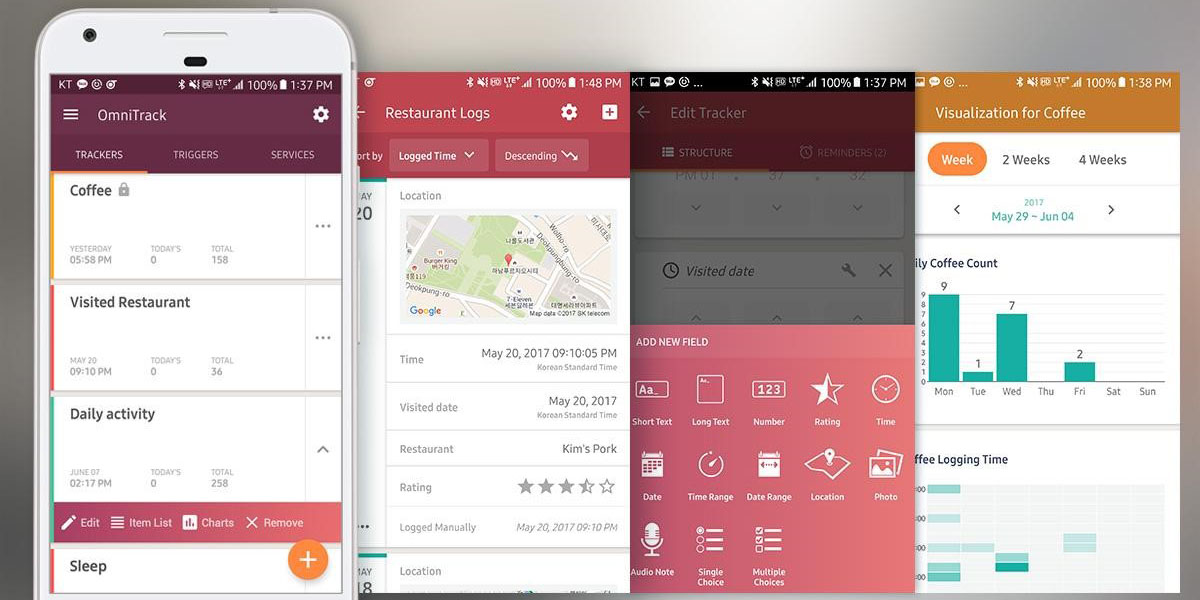
Figure 1: OmniTrack Interface / OmniTrack
Kim S., like half of mobile phone users, has an application to track her daily eating and fitness. But Kim is newly diagnosed with Type 2 diabetes and wants to start tracking the glycemic index of her food, her blood glucose levels, how low blood sugar affects her moods, and feelings of fatigue. People with complex or unique health tracking needs like these can struggle to find a single tracking app and often resort to using multiple apps, spreadsheets, and lists.
Dr. Eun Kyoung Choe, at the University of Maryland College of Information Studies (UMD iSchool), in partnership with researchers at Seoul National University and Microsoft Research, is tackling this challenge of individualized and unique data tracking needs through the development of a mobile data collection platform, called OmniTrack.
OmniTrack (Figure 1) allows people to easily design their own personalized tracking tool (whether for food tracking or other health or fitness needs), selecting what they want to track and how to track it, and adding extra support like reminders. The app can also sync with external tracking devices, such as smartwatches, to integrate data scattered across multiple platforms. OmniTrack is in fact so flexible, that it can be used for people with unique tracking needs across domains, such as exercise, sleep, mood, or productivity.
Dr. Choe and UMD students Yuhan Luo and Peiyi Liu are also looking at potential applications of OmniTrack specifically in supporting the tracking of complex food and other contextual data to support individuals and patients with complex diet needs, such as individuals with diabetes, irritable bowel syndrome (IBS), or eating disorders.
The team wanted to understand 1) what data would help dieticians better treat the patients with complex diet needs, and 2) how to support capturing this data through a customizable tracker. To address these questions, the UMD research team worked with dieticians to co-design trackers for various food/diet patient types.
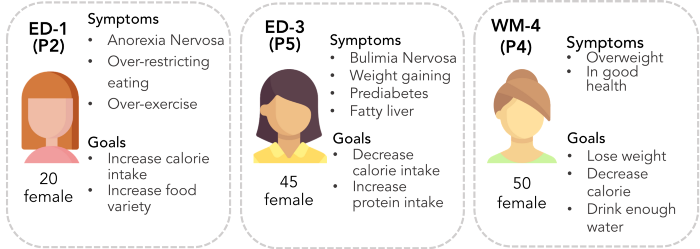
Figure 2: Examples of patient personas / HCIL
During co-design workshops, dietitians first developed “patient personas,” which portray characteristics in terms of patients’ age, gender, symptoms, and goals (Figure 2). They then designed a food tracker for each persona using paper-based prototype widgets of different possible input types and metrics, such as numeric, textbox, audio, image, checklist, and Likert scale (Figure 3). The team identified 32 tracking metrics grouped into five tracking categories: food, reflection, symptoms, activity, and physical status.
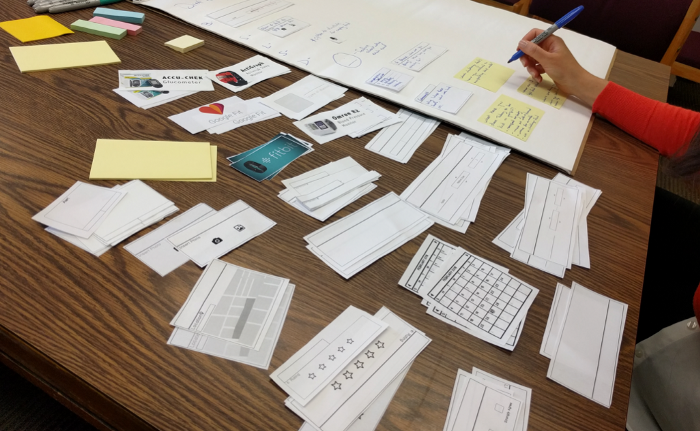
Figure 3: Using paper-based prototyping widgets / HCIL
The research team intends for these food trackers to be available to both users and healthcare professionals (e.g., dieticians and physicians) for use on the mobile app. The team envisions healthcare professionals utilizing these trackers to share with patients as well as other healthcare professionals.
If you are a dietician, healthcare professional, or researcher and would like to be involved:
- UMD is seeking dieticians and healthcare professionals to test the personalized food tracking model. Please contact Dr. Choe if interested.
- The OmniTrack team is seeking researchers who are interested in conducting a data collection study by diaries or ecological momentary assessment (EMA) using the OmniTrack platform.
- The OmniTrack team has released an open source research kit of both the research platform backend and the OmniTrack Android application.